
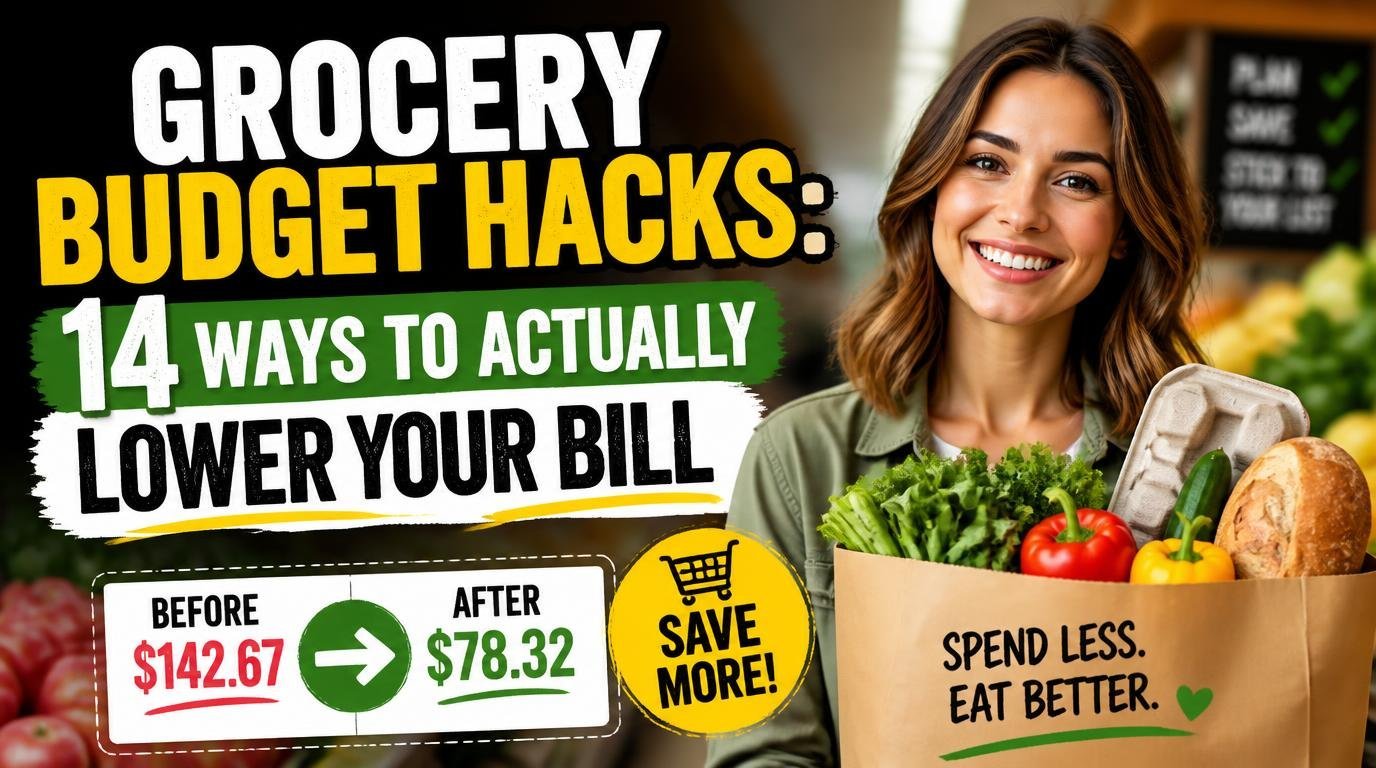
My grocery bill used to be a mystery that ended in shock at the checkout. I was spending $720 a month for two people and eating nothing exciting. So I treated my food budget like a science experiment for three months. The result: $430 a month, better meals, and zero sadness. These grocery budget hacks are the ones that actually moved the number.
1. Shop With a List Built From a Meal Plan
Walking into a store without a list is a $40 mistake every time. I plan five dinners each Sunday, then write a list from those exact recipes. The list is my contract with myself, and I follow it like my wallet depends on it. Because it does. Impulse buys are where grocery budgets go to die.
Keep the plan loose, though. Two flexible “use what is on sale” nights leave room for deals without wrecking the budget.
2. Eat Before You Shop, Every Single Time
Shopping hungry is the most expensive habit in this entire list. Studies show hungry shoppers buy more calories and more impulse items. I once shopped starving and came home with $38 of snacks I had not planned. Now I eat a proper meal or at least a big snack before every trip.
This single habit saves me an estimated $30 a month. It costs nothing and takes zero effort beyond timing. Hungry eyes buy hungry food, so feed yourself first and shop second.

3. Buy Store Brands for Everything Boring
Store-brand oats, canned tomatoes, pasta, and frozen vegetables are identical to name brands in blind tests. I switched every boring staple to store brand and saved about $60 a month with zero change in taste. The packaging is uglier, the food is the same. Brand loyalty is a tax on people who do not read labels.
Keep name brands only for the two or three items where you genuinely taste a difference. For me that is coffee and peanut butter, everything else went generic. Try the swap for one month and see if anyone notices.
4. Learn the Price Per Unit, Ignore the Price Tag
The big number on the shelf tag lies constantly. The tiny “price per ounce” text tells the truth about which package is actually cheaper. I caught a “family size” bag of rice costing more per ounce than the regular bag, which felt like a personal betrayal. Now I check unit prices on everything over $5.
Your phone calculator works fine for this. After a month, you will know your staples’ good prices by heart. I know chicken thighs should be under $1.50 a pound, so I buy extra when they hit $0.99. Knowledge is the discount.
5. Shop the Perimeter First, Then Retreat
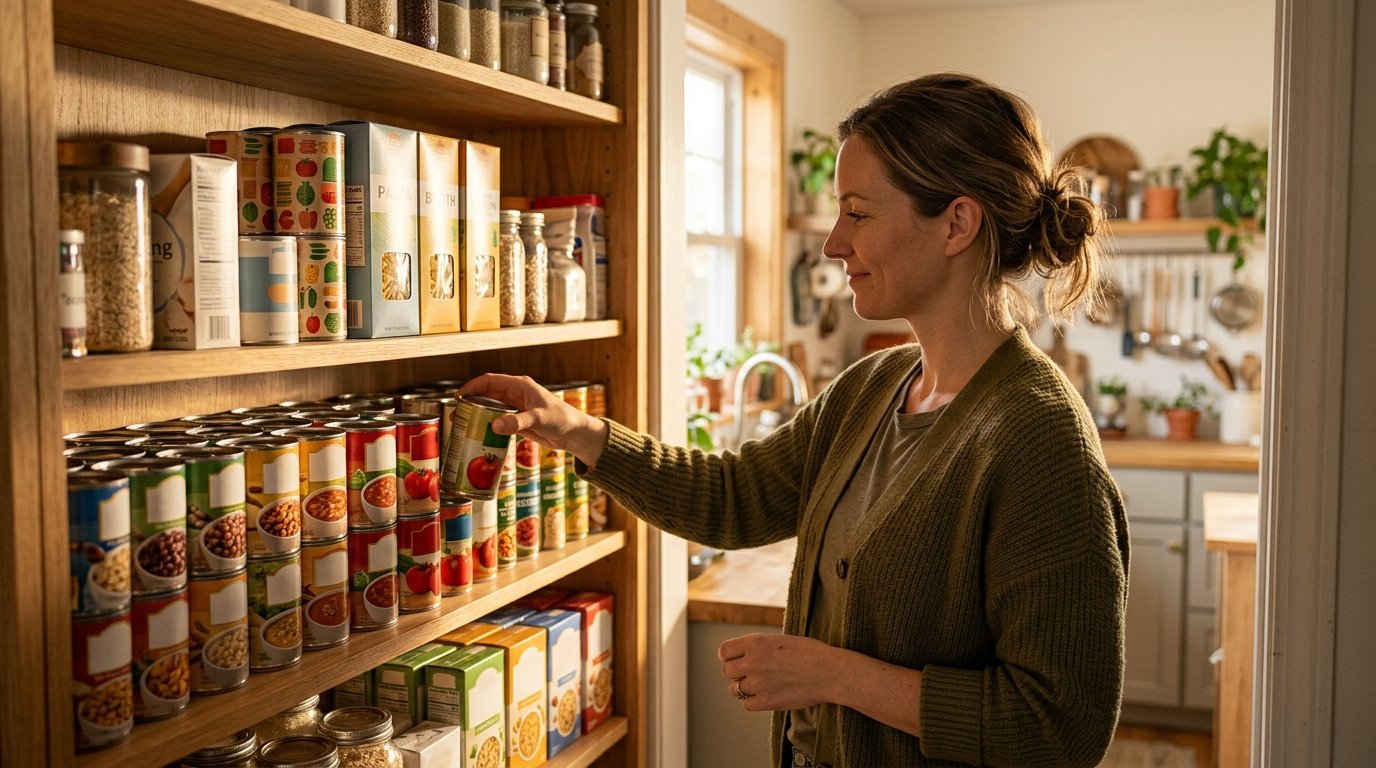
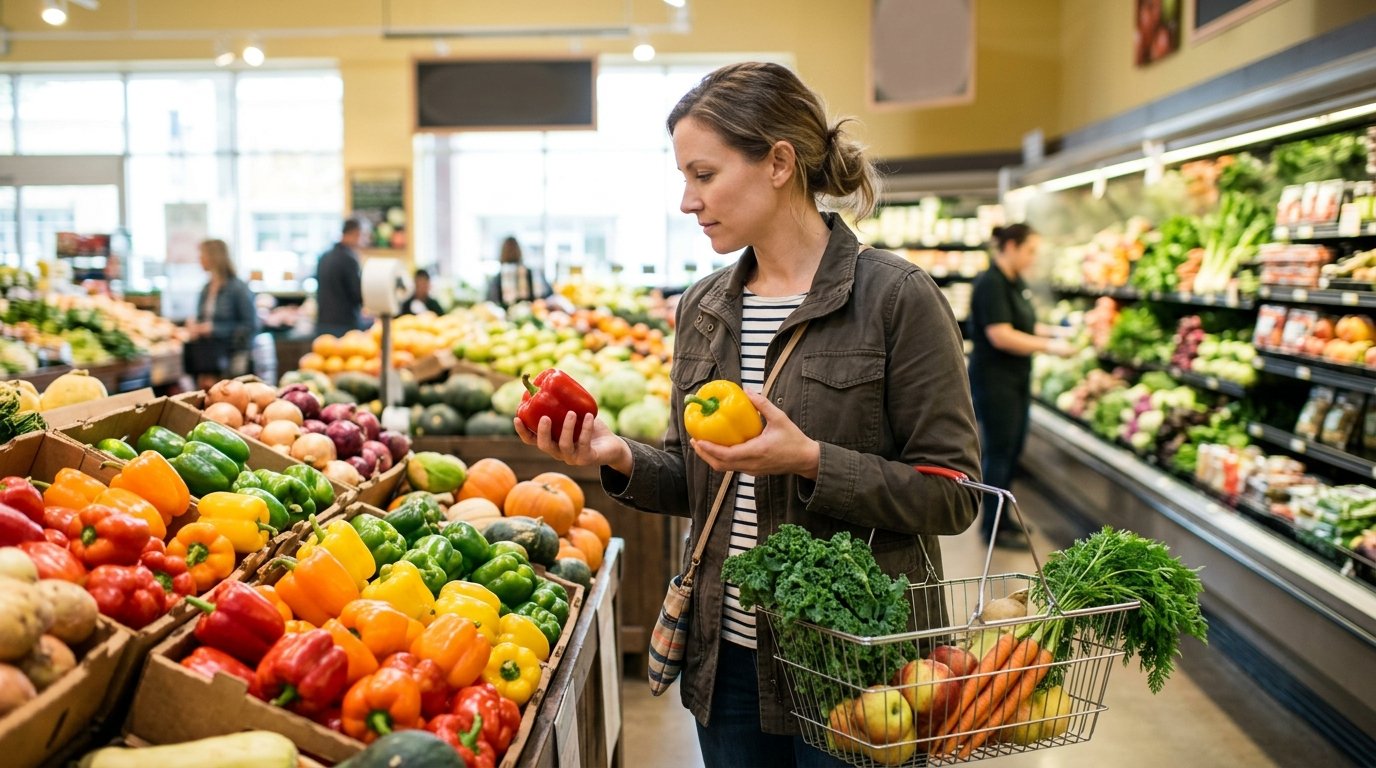
Produce, meat, dairy, and bread live on the store perimeter, and they are the cheapest real food per nutrient. The center aisles are where the expensive processed stuff hides. I do a full perimeter loop first, fill the cart with real food, then allow myself five center-aisle items max. My bill dropped and my meals got healthier simultaneously.
This is not about being perfect, it is about defaults. Default to the perimeter and the expensive stuff becomes the exception. My cart used to be 70 percent boxes, now it is 70 percent fresh. The savings followed naturally.
6. Freeze Half of Every Bulk Buy Immediately
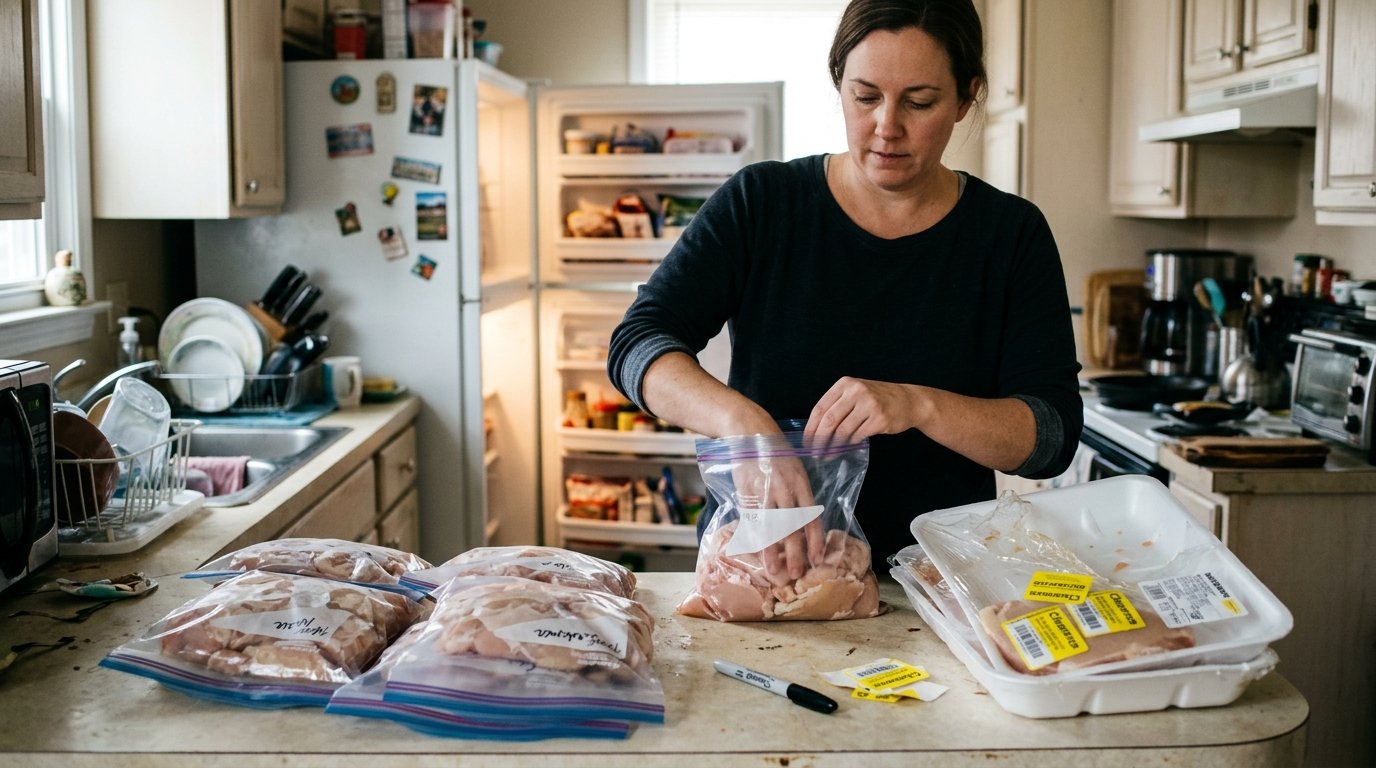
Bulk deals only save money if the food survives to be eaten. I used to buy the family pack of chicken, watch half of it go bad, and effectively pay double. Now half goes straight into the freezer in portioned bags the day I shop. Food waste is the silent budget killer nobody tracks.
Label everything with the date and contents, because mystery bags get thrown away. A $30 chest freezer paid for itself in two months of rescued bulk buys. Freeze bread, cheese, and even milk when the price is right.
7. Make One Meatless Dinner a Week Non-Negotiable
Meat is the most expensive thing in most carts, so one meatless night a week cuts costs fast. Bean chili, lentil curry, and veggie stir-fry cost under $2 a serving and nobody misses the meat. I started Meatless Mondays reluctantly and now genuinely look forward to them. My grocery bill dropped about $40 a month from this alone.
Beans, lentils, and eggs are protein powerhouses at a fraction of meat prices. Keep it simple the first month, then get adventurous. The planet thanks you too, which is a nice bonus on top of the savings.
8. Buy Produce in Season or Frozen, Never Out of Season
Out-of-season berries in January cost triple and taste like wet cardboard. I check a seasonal produce chart on my fridge and build meals around what is cheap right now. Frozen produce is picked ripe and flash-frozen, often more nutritious than “fresh” stuff shipped 3,000 miles. My produce spending fell 35 percent with this rule.
Summer means berries and corn, fall means squash and apples, winter means citrus and root vegetables. Eating with the seasons is cheaper, tastier, and honestly more interesting. Frozen backup covers everything else.
9. Cook Double and Eat It Twice
Cooking once and eating twice is the highest-leverage habit in home cooking. I double every soup, stew, and casserole recipe, and lunch the next day is already done. This kills the $12 takeout lunch habit that was secretly costing me $200 a month. Batch cooking is not meal prep influencer nonsense, it is just smart.
Invest in decent containers so leftovers actually get eaten instead of fossilizing. I eat the second serving within 48 hours so nothing gets sad. Two dinners for barely more effort than one is pure efficiency.
10. Stop Paying for Water in Fancy Packaging
Bottled water is the greatest marketing scam in grocery history. A filter pitcher costs $25 and replaces thousands of plastic bottles. I did the math: my old bottled water habit cost $35 a month, the filter costs $5 a month in replacements. That is $360 a year for literally the same water.
The same logic kills juice boxes, soda, and fancy flavored waters. Make iced tea or infused water at home for pennies. Your wallet and the planet both win, and the water tastes identical.
11. Use the Store App and Actually Clip the Digital Coupons
Digital coupons take 90 seconds and save real money on things you already buy. I clip coupons in the parking lot before every trip, which sounds obsessive until you see the $12 to $18 off each receipt. The store app also shows unadvertised clearance deals. Free money for ninety seconds of tapping.
Stack coupons with sale prices for the real wins. A $1 coupon on a $2 sale item is 75 percent off. I keep a separate email for store accounts so the spam stays contained. The savings are worth the minor hassle.
12. Buy Spices From Bulk Bins, Not Glass Jars
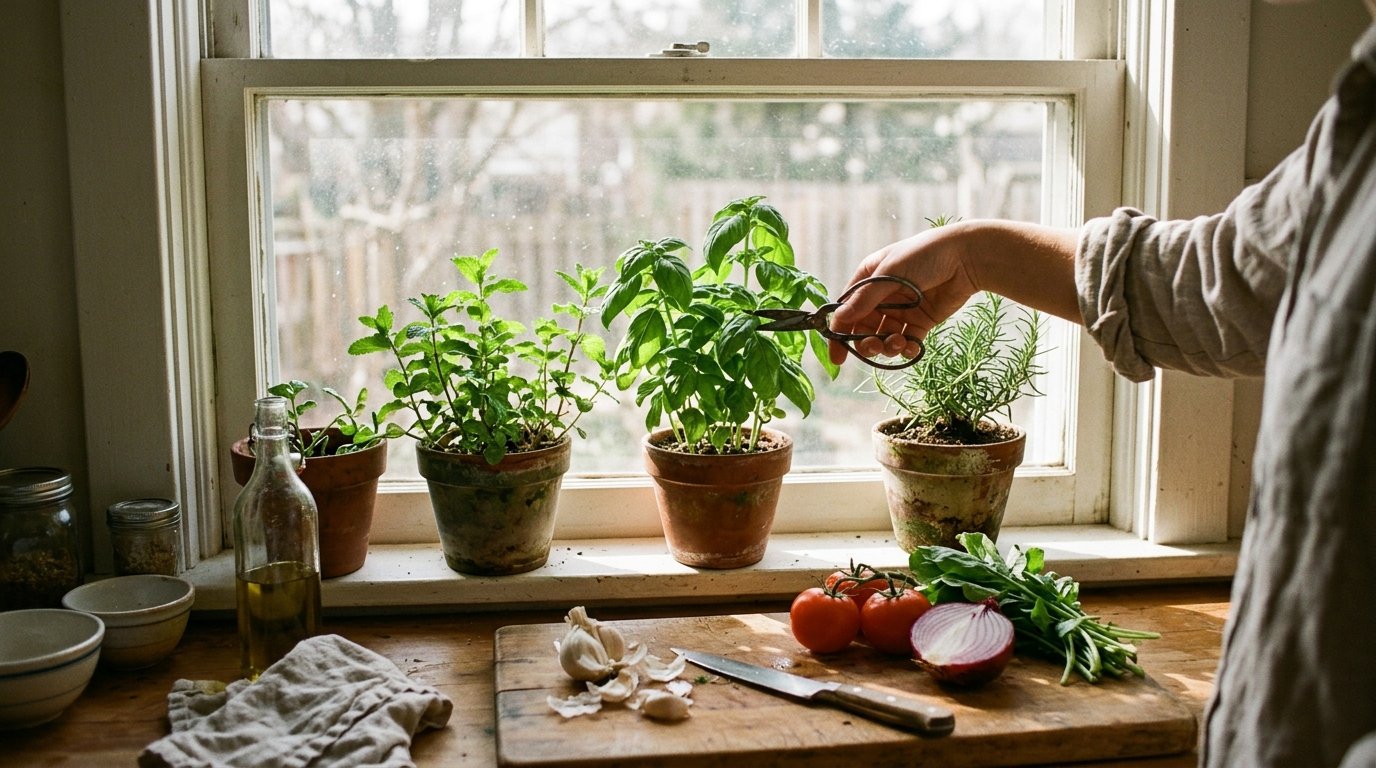
A glass jar of cumin costs $6, the same amount from a bulk bin costs $0.80. I buy spices two tablespoons at a time from bulk bins, which means they are always fresh instead of fossilizing in my cabinet for three years. Bulk spices are fresher, cheaper, and let you try new flavors without commitment.
Bring your own small jars or use the provided bags. Label everything the same day or you will own six mystery powders. This one change saves about $100 a year for regular cooks.
13. Designate One “Use It Up” Night Weekly
Every Thursday, I cook from whatever is left instead of shopping. Wilting vegetables become stir-fry, odds and ends become fried rice, random cheese becomes quesadillas. This single habit cut my food waste to nearly zero. It is also weirdly fun, like a cooking show challenge in my own kitchen.
The average family wastes $1,500 a year in food. One use-it-up night a week recovers most of that. Keep eggs, tortillas, and rice on hand as the base for anything. Creativity thrives on constraints.
14. Track the Bill Monthly and Celebrate the Drop
What gets measured gets managed. I total my grocery spending on the first of each month and write it on a whiteboard on the fridge. Watching $720 become $610, then $520, then $430 was the most motivating game I have ever played. Tracking turns saving into a sport you want to win.
Set a realistic target and celebrate when you hit it. Mine was a nice dinner out funded by the savings, which felt wonderfully circular. The whiteboard keeps the whole household accountable without nagging.
FAQs
How much can grocery budget hacks really save a family?
Most families save $150 to $300 a month by combining meal planning, store brands, and waste reduction. I personally went from $720 to $430 for two people, a $290 monthly saving. Bigger families often save more in absolute dollars. The first month shows the biggest drop, then it stabilizes.
Is it actually cheaper to cook from scratch versus buying prepared foods?
Almost always, by a factor of three to five. A homemade pasta dinner costs about $1.50 a serving versus $6 for a frozen equivalent. The exceptions are complex items like bread and some condiments where scale wins. Cook the simple stuff, buy the complicated stuff.
How do I meal plan without spending my whole Sunday on it?
Fifteen minutes is enough. Pick five dinners, check what you already have, and list only what is missing. Use a repeating two-week rotation so you are not inventing meals from scratch. I keep my plan on a phone note I reuse and tweak. Done beats perfect here.
Are warehouse clubs worth it for grocery savings?
Only for large families or disciplined shoppers. The membership fee needs about $500 in annual savings to justify itself. Bulk perishables often go bad before small households finish them. I do better at regular stores with sales and coupons. Run your own numbers honestly.
What is the single biggest grocery money waster?
Food waste, by a landslide. The average family throws away $1,500 of food yearly, which dwarfs any coupon strategy. Fix waste first with meal planning, proper storage, and use-it-up nights. Every other hack multiplies once waste is under control.
Conclusion
I cut my grocery bill by 40 percent without eating worse, and honestly I eat better now. The hacks compound: plan, list, buy smart, waste nothing. Which of these will you try on your next shopping trip?