

A second income stream changed my finances more than any raise ever did. Two years ago I was living paycheck to paycheck on a decent salary, and one $400 freelance project a month became my entire emergency fund. I never quit my job, never burned out, and never woke up at 4 a.m. to hustle. The best side income fits your life instead of eating it.
1. Start With Skills You Already Get Paid For
The fastest side income comes from skills your employer already values. Writing, design, spreadsheets, coding, project management, someone will pay for each of these on the open market. I started by offering the exact reporting work I did at my day job to small businesses that could not afford a full-time hire. No new learning curve, no startup costs, just existing skills sold twice.
List everything you do at work that others find hard. My first client paid me $300 for a dashboard that took me four hours, because to them it was magic.
2. Freelance One Service Before You Build Anything
Resist the urge to build a brand, a website, or a course on day one. Pick one service, write a simple offer, and pitch ten potential clients this week. I spent three months “preparing” my freelance business and earned zero, then got my first client within days of actually pitching. Preparation feels productive, but only pitching pays.
Upwork, Contra, and even a plain email to local businesses all work. Keep the offer dead simple: what you do, who it helps, and what it costs. My first pitch email was five sentences long and it worked.

3. Sell Digital Products You Make Once
Digital products are the closest thing to earning while you sleep. Templates, planners, presets, guides, you build them once and sell them forever with no inventory. I made a budget spreadsheet template in a weekend, listed it for $19, and it has earned over $2,000 since. The hourly rate keeps climbing because the work is done.
Start with a problem you have already solved for yourself. My template was literally the one I used personally, which is why buyers trusted it. Gumroad and Etsy make selling almost embarrassingly easy. One good product beats ten half-finished ones.
4. Rent Out What Sits Unused
Your garage, driveway, camera gear, and tools are all earning zero right now. Platforms exist to rent out nearly everything you own: parking spots, storage space, equipment, even your car on weekends you do not drive. I rented my driveway to a commuter for $120 a month, which is $1,440 a year for paint on asphalt.
Walk through your home and list everything worth over $200 that you use less than monthly. Each one is a candidate. The income is beautifully passive once listed, and you keep full ownership. Unused assets are just money taking a nap.

5. Teach What You Know Online
You know something that beginners would pay to learn faster. It does not have to be academic: Excel tricks, sourdough, home repair, resume writing, all of it sells. I taught a two-hour workshop on budgeting basics at a community center and three attendees hired me for one-on-one sessions. Teaching positions you as the expert while paying you to practice.
Start with a single live session before recording any course. Live teaching reveals exactly what people struggle with, which makes your eventual course ten times better. Platforms like Teachable handle the tech. Your knowledge is inventory waiting for a price tag.
6. Do Weekend Work That Pays Cash Fast
Sometimes you just need money now, not a business plan. Weekend gigs like moving help, yard work, event staffing, and delivery driving pay quickly with zero ramp-up. I did furniture assembly through Taskrabbit for two months and cleared $900 while deciding on my longer-term plan. Fast cash buys you breathing room to think.
The trick is treating it as temporary fuel, not a second career. Set a clear end date or savings target, then stop. I quit the moment my freelance income passed my gig income. Quick money is a bridge, not a destination.

7. Turn Your Commute Into Learning Time
That dead hour in traffic or on the train is free education time. I learned freelance copywriting entirely through podcasts and audiobooks during a 45-minute commute, then landed paying clients three months later. Two hundred hours a year of learning compounds into a genuinely marketable skill. Your commute is a classroom you already attend.
Pick one skill and go deep instead of sampling everything. I listened to one copywriting show on repeat until the frameworks were automatic. Free library apps like Libby give you unlimited audiobooks. The only cost is attention you were wasting anyway.
8. Price Your First Gig to Get Hired, Not to Get Rich
Early clients are buying proof, not perfection. Price low enough to remove their risk, deliver excellently, then raise rates with every new client. I started at $25 an hour, and within six months I was charging $75 for the same work because I had testimonials. Early cheap work is marketing you get paid for.
Set a clear rule: raise your rate every three clients or every two months, whichever comes first. Never stay at beginner prices past the beginner phase. I know freelancers still charging year-one rates in year three, which is just a donation to their clients.

9. Protect Your Main Job Like It Is the Golden Goose
Remember, your salary funds this entire experiment, so guard it fiercely. Do side work only on your own time, never use company resources, and check your employment contract for moonlighting clauses. I once turned down a lucrative gig because the client competed with my employer, and it was the smartest no I ever said. A second income stream should never threaten the first.
Keep your performance at work excellent, because a layoff during your building phase kills momentum. I actually got promoted while freelancing on the side, which raised both incomes at once.
10. Reinvest the First $1,000 Into Growth
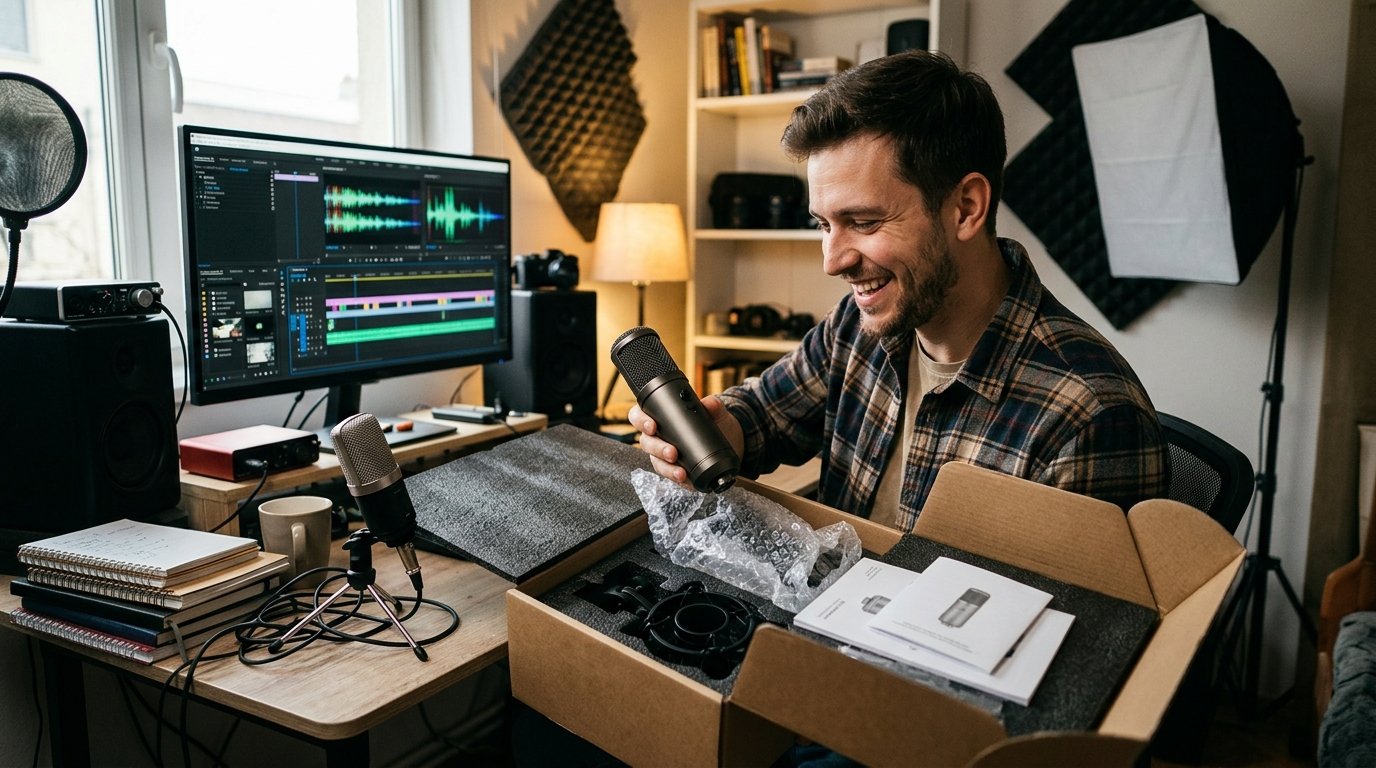
Seeing that first $1,000 of side income feels like pure profit, and spending it is tempting. Instead, reinvest it in the things that multiply earnings: better tools, a simple website, a short course, or ads for your product. I spent my first $800 on a proper microphone and editing software, and my content income tripled within four months. Seeds before harvest.
Think of it as paying tuition to your future self. Every dollar reinvested early returns many times over because it compounds across your whole side business. After the first $1,000 is reinvested, spend the rest guilt-free.
11. Say No to Gigs That Steal Your Weeknights
Not all income is worth the hours it costs. I once took a client who paid well but demanded nightly revisions, and within a month I dreaded my laptop. Calculate your real hourly rate including the stress, and fire clients who fail the math. Side income that ruins your evenings is just a second job you hate.
Set office hours for side work and enforce them like appointments. Mine are Tuesday and Thursday evenings plus Saturday morning, and everything else is off-limits. Boundaries do not limit your income, they protect the energy that creates it.
12. Build an Audience While You Earn
Every client project is content waiting to happen. Share what you learn, anonymized, and slowly an audience forms around your expertise. I posted weekly lessons from my freelance work for a year, and inbound clients eventually replaced all my pitching. An audience is a client pipeline that never sleeps.
You do not need viral posts, just consistent useful ones. One thoughtful post a week beats daily noise. My first hundred followers included three future clients, which taught me that small audiences convert better than big ones. Document, do not just create.
13. Track Hours So the Math Stays Honest
Side income feels great until you realize you earned $8 an hour. Track every hour for a month, including admin, pitching, and revisions, then divide by actual pay. I discovered one “great” client was paying me less than minimum wage once I counted everything. Honest math is the difference between a business and an expensive hobby.
Use a free timer app and be brutally honest with it. If the real rate is too low, raise prices or drop the work, there is no third option. I review my numbers monthly and cut anything under my target rate.
14. Know When Your Second Income Stream Outgrows the Side
There comes a month when the side income matches half your salary, and the question gets real. I hit that point after eighteen months and gave myself a six-month runway test: save six months of expenses, then decide. You do not have to quit, many people keep a great salary plus a thriving side business forever. But you deserve to choose deliberately.
Run the numbers coldly: benefits, taxes, stability, and sanity all count. I stayed employed because I liked my job, and the side income became my investing engine instead. Either path wins when it is chosen, not drifted into.
FAQs
How much time does a second income stream really take each week?
Most people start with five to eight hours a week, usually two weeknights and part of a weekend. That is enough for freelancing, digital products, or teaching. The key is consistency over intensity. Five focused hours weekly beats a monthly twenty-hour binge every time.
Do I need to register a business before earning side income?
Not at first. In most places you can earn as a sole proprietor and report the income on your regular tax return. Once you pass a few thousand dollars, talk to an accountant about structure and quarterly taxes. Keep clean records from day one so the paperwork stays simple later.
What is the fastest second income stream to start this weekend?
Service gigs win on speed: Taskrabbit, local moving help, or delivery driving can pay within days. Freelancing your existing work skills takes one to three weeks to land a first client. Digital products are slowest to start but most passive long-term. Pick based on whether you need cash now or freedom later.
Will side income affect my taxes?
Yes, and plan for it from the first dollar. Set aside 25 to 30 percent of side earnings for taxes in a separate account. You may owe quarterly estimated payments once the income grows. An hour with a tax pro in year one saves painful surprises every April after.
How do I avoid burnout while working a full-time job plus a side gig?
Cap your side hours and protect one full day off weekly, no exceptions. Choose work you find at least mildly interesting, because drudgery compounds into burnout fast. I also take one full week off side work every quarter. Rest is part of the business plan, not a reward for finishing it.
Conclusion
A second income stream is not about hustling harder, it is about giving your existing skills a second stage to perform on. Start with one service, protect your main job, and let the income compound quietly. What skill that you already have could earn its first dollar this month?